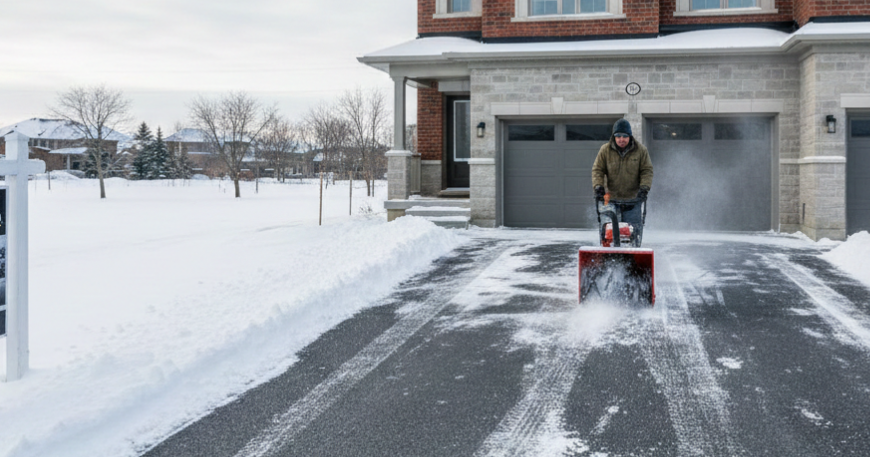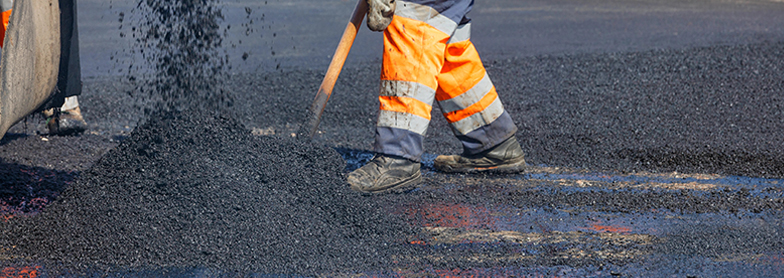

Spring, as the chill of winter recedes, presents an ideal window for asphalt paving projects, whether for residential driveways or commercial parking lots. The harsh conditions of snow, ice, and freezing temperatures frequently leave their mark: cracks, potholes, and general surface wear. Addressing these issues in the spring is a smart move, ensuring your property maintains a professional appearance and provides a safe environment for all.
The Impact of Winter on Asphalt Surfaces
Water finds its way into even the tiniest fissures. When the temperature drops, that water freezes, and the resulting expansion exacerbates the existing damage. Repeated freeze-thaw cycles gradually damage the pavement, leading to potholes and surface deterioration.
Heavy vehicles, snowplows, and salt can also accelerate wear and tear.
Many homeowners and business owners notice that their asphalt surfaces look worn, uneven, or broken by the time spring comes. Taking care of these problems early in the season can save you money on repairs later on.
The Benefits of Paving Asphalt in the Spring
Spring is a good time to pave asphalt because the weather is usually good. The moderate temperatures help the asphalt materials cure correctly, making the surface strong and long-lasting. Contractors tend to have more availability in the fall than they do in the summer months. This increased availability can translate into quicker project completion.
Spring paving provides another benefit: it greatly enhances the visual appeal of your home’s exterior.
A newly paved driveway or parking area instantly boosts a property’s visual appeal. But it’s not just about looks; it can also increase a home’s value, making a more welcoming first impression for everyone who arrives.
It gives businesses a clean, professional look that makes a good impression on customers and visitors.
Asphalt Paving for Homes
Asphalt paving is a good choice for driveways and private roads because it is practical and affordable for homeowners. It lasts a long time, withstands temperature changes, and has a smooth surface for driving. Before the heat of summer takes hold, spring presents a perfect opportunity to tackle any damage incurred over the winter months, or even to put in a fresh driveway altogether.
Professional paving services ensure top-tier grading, drainage, and materials, helping extend the lifespan of your driveway.
With professional installation, your driveway can stay strong and look good for a long time with little upkeep.
Services for Commercial Asphalt Paving
For businesses, well-maintained parking lots, loading zones, and access roads are essential. Broken or uneven pavement is a problem for all: customers, employees, and cars alike.
Arranging for commercial asphalt paving in the spring can help you avoid legal troubles and keep traffic moving smoothly on your property.
Professional paving companies are equipped to tackle projects of all scales, whether it’s a modest parking lot for a small business or a sprawling commercial space. They rely on top-tier asphalt and cutting-edge equipment, ensuring durable results that withstand heavy traffic.
Get Ready for Spring with Professional Paving
Spring is a prime time to tackle asphalt surfaces, from fresh driveways and parking lot fixes to complete paving jobs. Hiring experienced professionals ensures the work is done well and will stand the test of time.
Via Pave Ltd. is having a Spring Sale right now. They’re offering a 15% discount on all their residential and commercial asphalt paving services.
Get your property prepped for the upcoming season. Our paving services are reliable and handled with professionalism. This offer won’t last long.